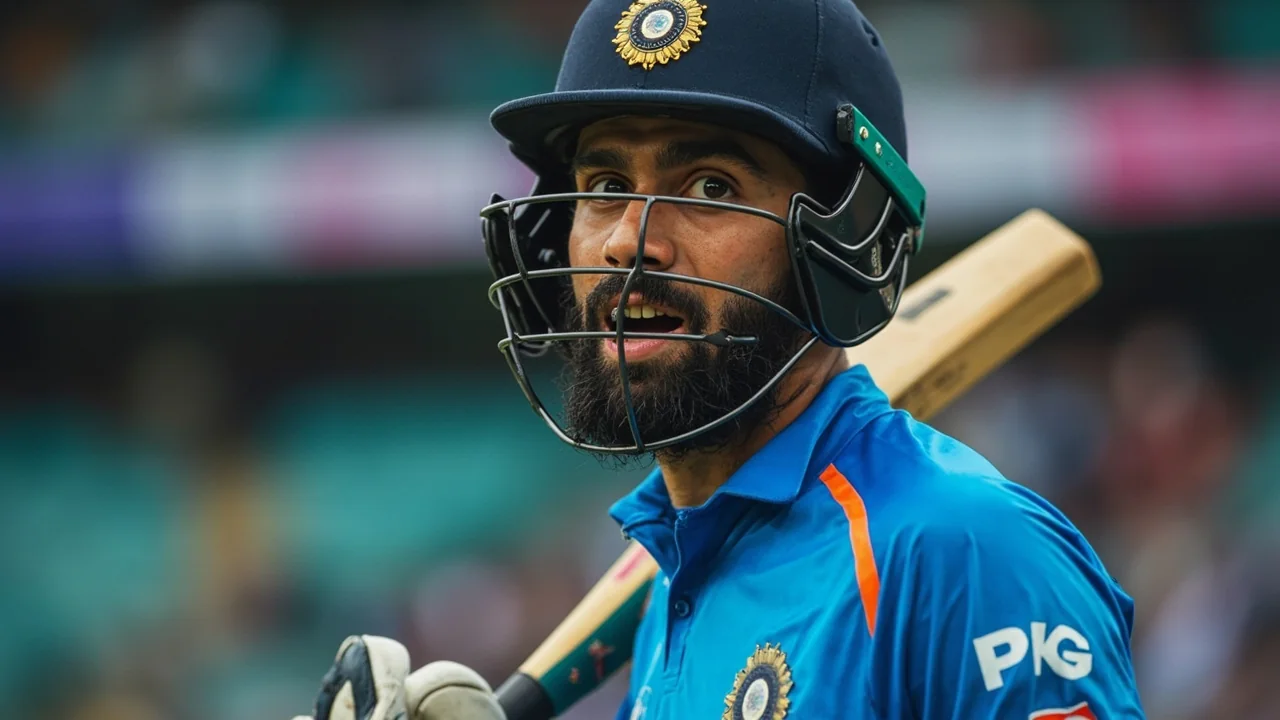
A 76 all out at Trent Bridge, a 125-run defeat and a batting order that put a seam-bowling all-rounder above a left-handed power hitter. Former Chennai Super Kings all-rounder Moeen Ali has used the moment to argue the IPL's Impact Player rule is reshaping — and arguably dulling — how Indian batters learn to bat.
· BlueChip News Desk · Teams
The third T20I at Trent Bridge was supposed to be a chance for India to push the series to a decider. Instead, the batting folded inside 17 overs. India were bowled out for 76 and lost by 125 runs — the heaviest defeat in their T20I history. The bowlers had no scoreboard to defend once the new ball moved, and the lower order was exposed by a chasing total that England did not need to chase hard. The scoreline reads like a one-sided warm-up; the context reads like the third match of a tightly scheduled summer series.
Numbers from the night underline the imbalance. India were four down inside the powerplay and never recovered a release shot. The ball nipped off the surface and held its line through the middle overs, conditions that reward batters who can pace an innings, work the gaps, and pick the right ball to attack. Instead, the innings read like a sequence of attacking shots played at attacking fields with no anchor at the other end.
"The IPL Impact Player rule makes a massive difference. We have lost the art of batting in T20 cricket because of it."Moeen Ali, on the Beard Before Wicket podcast (July 8, 2026)
Moeen Ali's case is not new, but the timing gave it unusual weight. He was speaking on the Beard Before Wicket podcast, the morning after the collapse at Trent Bridge, with the 76 all out still fresh in everyone's head. His argument is structural rather than tactical. The Impact Player rule, he said, has changed the kinds of innings Indian batters are asked to play in the IPL, and that change has bled into how they prepare for international cricket.
The mechanism he describes is straightforward. When a franchise can swap in a specialist batter at any point in the innings, the frontline batter no longer has to learn how to absorb pressure, rotate strike against spin, or rebuild after a wicket falls. They can plan to come in and slog from ball one, because the rule makes the innings modular. That modularity is great for fantasy point totals in the IPL, Moeen suggested, but it does not produce batters who can survive a moving ball in Nottingham with three early wickets down.
His wider point is about the loss of situation-reading. In his view, batters used to learn to bat for different conditions and different match situations because the IPL demanded it. When the format rewards specialists who come in for one phase, the incentive to learn the rest of the game shrinks. India had players who could bat through an innings in 2018; the current cycle, he implied, has players who know how to bat through one phase.
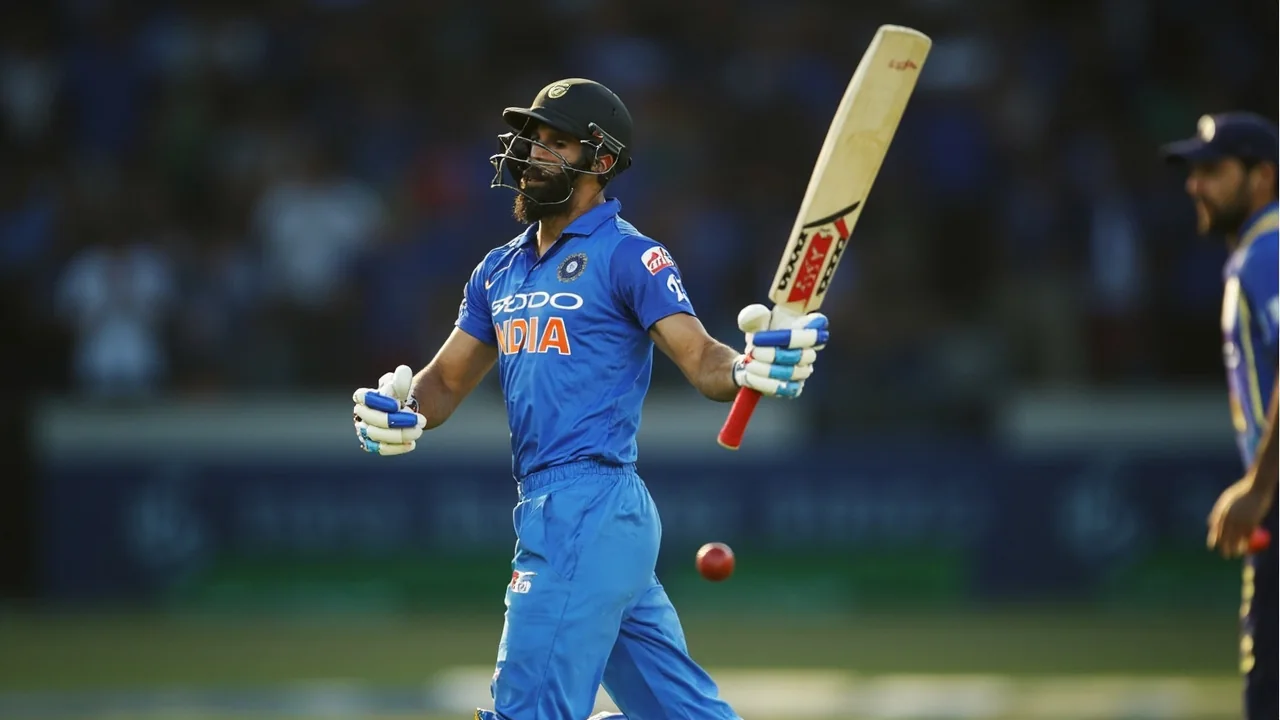
Moeen Ali did not stop at the rule. He went on to dissect the specific batting order India picked at Trent Bridge, and the choice that stood out was positional. Shivam Dube, a left-handed power hitter who plays most of his cricket against pace, came in at number eight. Harshit Rana, a seam-bowling all-rounder, was sent in ahead of him.
Moeen's reading is that the order ignored what each batter is best at. Dube is the kind of player who can hit a five-ball cameo against a tiring fast bowler in the death overs. Rana is more useful with the ball in hand and as a lower-order batter who can hold shape. Sending Rana up and dropping Dube to eight inverted the roles. The collapse that followed — India bowled out for 76 — was, in Moeen's argument, partly a consequence of that choice and partly a symptom of the broader IPL pattern he was already critiquing.
Read the order together with the collapse, and the structural critique starts to bite. If franchise cricket is teaching batters to think in single-phase innings, the national side inherits batters who can only execute single-phase plans. Trent Bridge asked for a different plan. India did not have one ready.
England leg-spinner Adil Rashid added a second voice to the same debate from the other dressing room. His argument is similar in shape but different in entry point. He said replacing players through the Impact Player rule can prevent them from learning how to absorb and overcome pressure at a higher level. Where Moeen Ali's framing was about batting phases, Rashid's was about the emotional and tactical habit of fighting through a difficult spell.
Rashid's perspective matters because it comes from a player who has survived multiple T20 franchise cycles — Indian Premier League, Big Bash, Caribbean Premier League — and has had to keep reinventing his game. His argument is that the rule shortens the learning curve for younger players. A teenager who comes in, struggles for ten balls, and then gets replaced does not get the chance to work out how to score on that surface. The franchise gets a better match-up; the player misses a formative lesson.
Both arguments run in the same direction. Moeen Ali talks about the batter's plan. Adil Rashid talks about the player's character. Together they describe a development environment that is becoming more efficient at producing match-ready innings and less efficient at producing all-format cricketers.
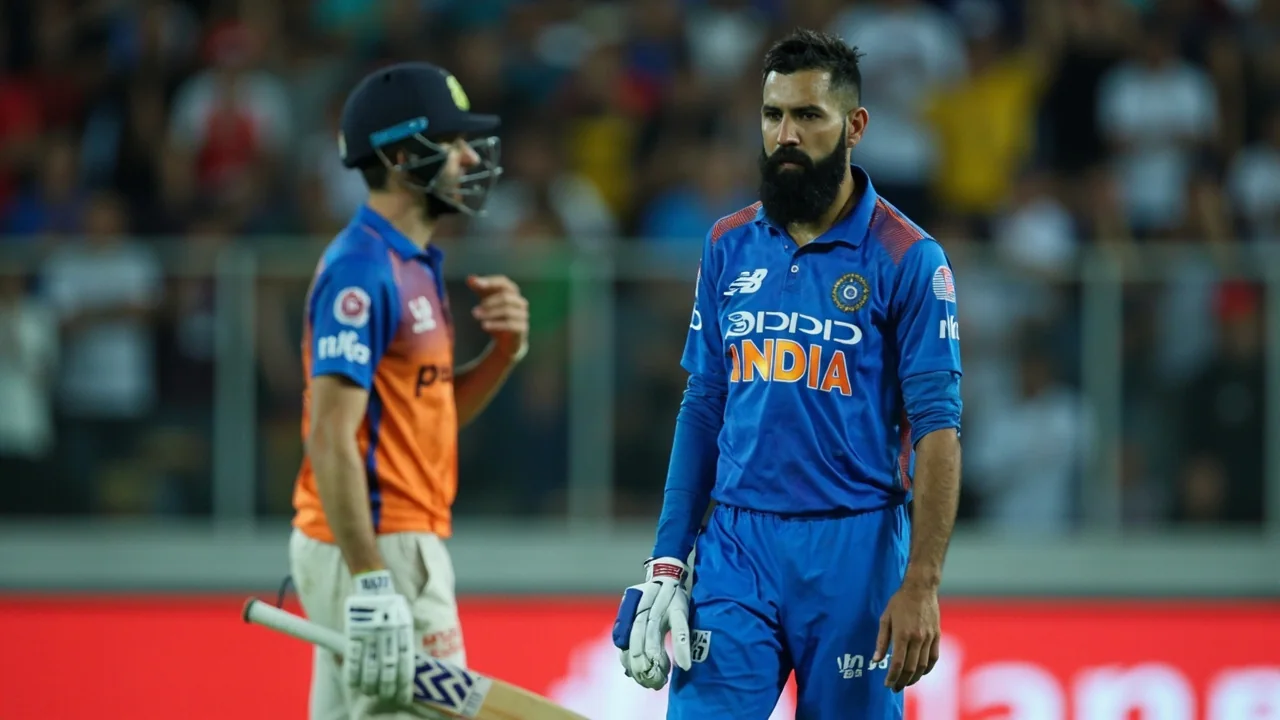
Moeen Ali spent his IPL career as a senior figure in the Chennai Super Kings dressing room — a side that has historically built around role clarity and the long game. The CSK template is to know what each batter is for and to play them in the order that fits those strengths. Moeen's critique of the Trent Bridge card is, in part, a CSK-style critique: send Dube in where he can hurt the bowler, not where he has to defend.
That framing matters more for the upcoming IPL auction than for the T20I series itself. If franchises keep optimising for the Impact Player rule — picking one specialist batter to be the swap-in, leaving the others to bat one phase — they will continue to produce single-phase innings. If they start to push back against that pattern — as CSK have historically done — the depth problem in the Indian batting order has a route to recovery.
The same logic applies across the IPL's ten franchises. The sides that pair a strong Indian core with two or three clearly-defined Impact Player options will, in this reading, do better at producing all-format cricketers than those that build around the swap itself. For a franchise-by-franchise read on how each side has used the rule over the past two seasons, the full IPL teams directory on BlueChip tracks the rotation patterns week by week.
Not everyone in the game agrees with Moeen Ali's framing, and a fair retrospective should mark the disagreement. The Impact Player rule has also produced matches that teams would not have won without it — finishes where a like-for-like swap turned a single-phase collapse into a successful chase. Some India players have publicly argued the rule gives them an opportunity to play their natural game without the pressure of holding an innings together. The BCCI has not signalled any plan to revisit the rule ahead of the next IPL cycle.
What Moeen and Rashid are saying is not that the rule should be abolished, but that the trade-off is real. The rule raises the ceiling of any single IPL innings. It lowers the floor of what the next generation of batters learn to do under pressure. Whether that trade is worth it is a question for the BCCI, the franchises and the broadcasters to answer. The collapse at Trent Bridge has simply made it harder to ignore.
Three developments will test whether the critique has weight. The first is India's T20I schedule between now and the next World T20 cycle. If the side keeps producing all-out totals under 100 against moving-ball attacks, the structural argument strengthens. The second is the IPL retention list ahead of the next auction window. If franchises start releasing Impact Player specialists who cannot bat through an innings, the rule is being adapted around the criticism. The third is the next hearing of the IPL captains' committee. Moeen Ali has put the topic on the agenda without being on it.
For readers following the IPL teams story more broadly, the most useful single thing to watch is how franchises pick their Impact Player slot for the upcoming season. If the slot goes to a pace-bowling all-rounder, the franchise is leaning into the rule as Moeen Ali describes it. If it goes to a top-order batter who can hold an innings, the franchise is pushing back. Both signals will tell.
Moeen Ali said on the Beard Before Wicket podcast that the IPL Impact Player rule makes a major difference and that Indian players had lost the art of batting in T20 cricket because of it. The interview aired the morning after the third T20I at Trent Bridge, where India were bowled out for 76 and lost by 125 runs.
Yes. India were bowled out for 76 at Trent Bridge in the third T20I against England and lost by 125 runs. The original Cricket News report by Deepanjan Mitra, published on July 8, 2026, described it as India's heaviest defeat in T20I history.
Moeen Ali singled out the choice to send Harshit Rana ahead of Shivam Dube, with Dube coming in at number eight. In Moeen's reading, the order inverted the roles each batter is best at: Dube is a left-handed power hitter against pace, while Rana is more useful as a seam-bowling all-rounder lower down.
England leg-spinner Adil Rashid said the rule prevents young players from learning how to absorb and overcome pressure at a higher level. His view is that being replaced through the Impact Player window stops a player from having to fight through a difficult phase of the game.
The rule lets franchises swap in a specialist batter or bowler at any point in the innings. In practice, a frontline batter can plan to come in expecting to slog from ball one rather than build an innings. Moeen Ali's argument is that this shortens the learning curve for adjusting to conditions, which shows up when India play away Tests and T20Is in England where the ball seams and holds.
Moeen Ali played for Chennai Super Kings across multiple IPL seasons and used the CSK perspective to frame his critique. The argument that franchises now optimise for the rule rather than for all-format depth is the one that travels into IPL team-building, auction strategy, and the way coaches prepare batters who will eventually play T20Is abroad.
Read BlueChip's franchise-by-franchise team read, retention lists and Impact Player slot predictions as the auction window opens.
