
BCCI recall Sarfaraz Khan for Sri Lanka Tests over India A's Raseed after Sudharsan fitness miss
BCCI selectors brought Mumbai batter Sarfaraz Khan back into India's Test squad for the Sri Lanka tour on 10 August 2026 after Sai Sudharsan was ruled out for missing a fitness deadline. The Sarfaraz-over-Raseed call was framed by selectors around one specific reading of Sri Lanka's surfaces: spin from the first session, not seam.
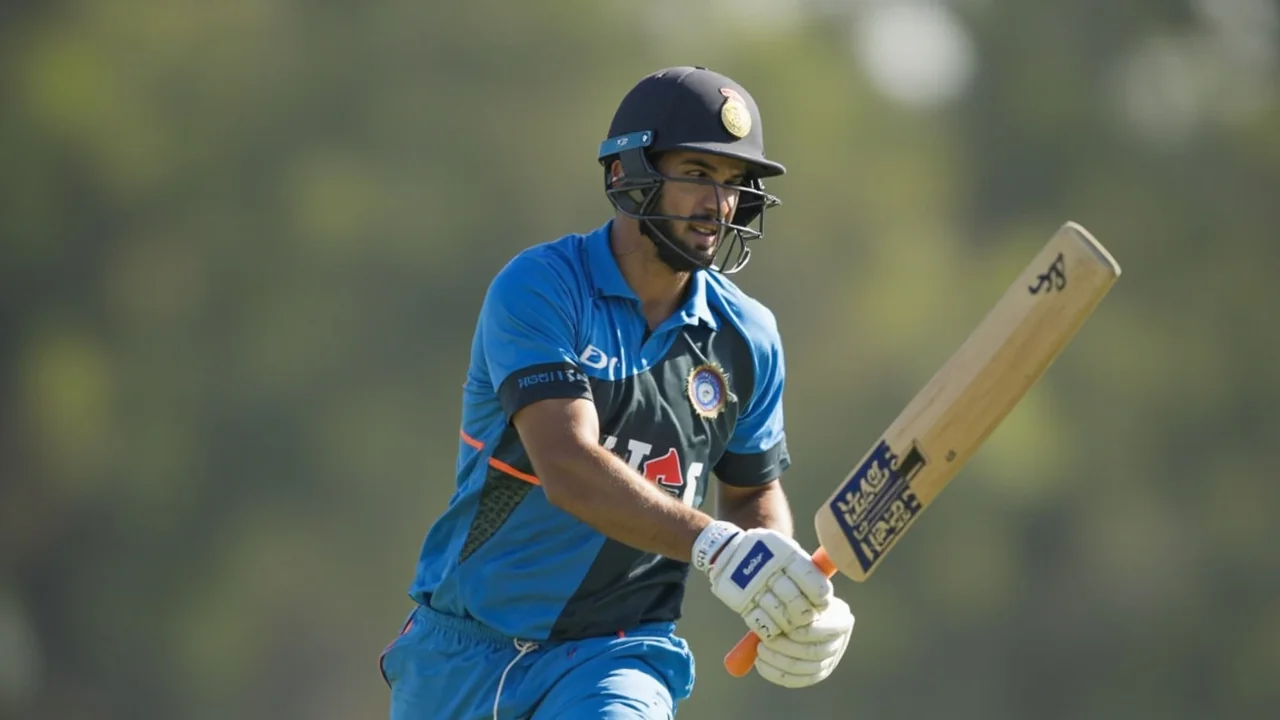
1. What changed in the India Test squad on Sunday
The Sunday announcement was short, formal and pointed. BCCI's senior selection committee named Sarfaraz Khan as a like-for-like replacement for Sai Sudharsan, who had been ruled out earlier in the day after failing to meet the board's fitness deadline. The release carried no quotable line about why Sarfaraz was preferred to the next batter on the India A list; the reasoning, by convention, is read by the travelling media from the squad shape, the tour conditions and the selector briefings that follow.
For fantasy users tracking the Test squad, the practical reading is direct. The slot vacated by Sudharsan was a top-order batting position, and the candidate pool was small. India A's touring party for the red-ball games in Sri Lanka already featured Saikh Raseed as the standby top-order option, and selectors had also tracked Sarfaraz's domestic form in 2025 and early 2026. The call between those two names, plus any dark-horse option from the India A bench, was the substance of the selector meeting on Sunday.
2. Why Sarfaraz over the India A alternative
The India A red-ball squad toured Sri Lanka through July and early August. Raseed was the standout top-order batter in the three matches. He opened or batted at three in all three innings, finished with 45, 63 and 20, and was on the ground in conditions that closely mirrored what India will face. By every reasonable reading of form-on-tour, Raseed had earned the right to be considered first.
The selector case against him was a reading of the surfaces, not of his form. Sri Lanka's red-ball pitches in Galle, Colombo and Pallekele have turned from the first session in the recent past. The longer India batted on them in 2024 and 2025, the more the older ball gripped, and visiting batters with footwork against spin had a clearer run. Raseed's three innings in India A were not enough for selectors to bet the slot on him; Sarfaraz's 62-match, 64.73 first-class record was. The board's preference for a long body of red-ball evidence in a tour framed by spin explains the call.
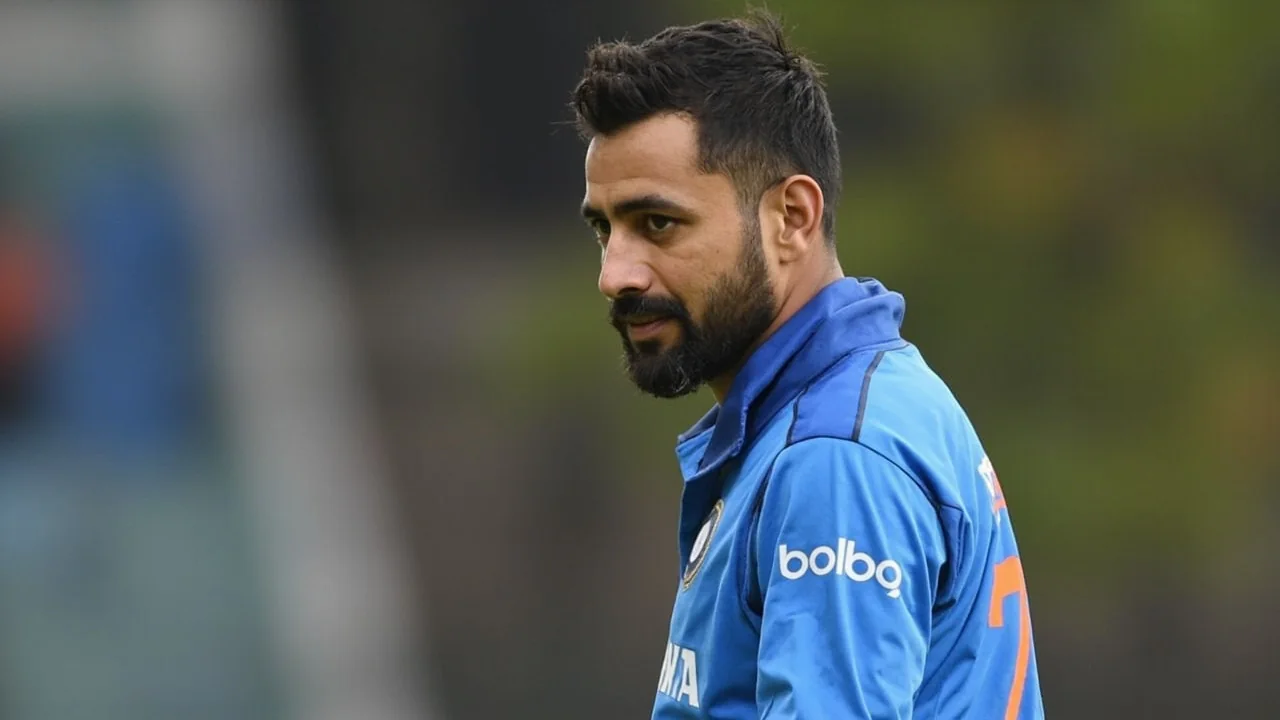
3. Sarfaraz's red-ball case: 64.73 across 62 first-class matches
The headline number behind the recall is not the Test average, which is still a small sample, but the first-class record. Sarfaraz has played 62 first-class matches for Mumbai, scoring heavily in the Ranji Trophy across the 2022-23, 2023-24 and 2024-25 seasons, and finishing the period with a first-class average of 64.73. By selector convention, that figure is the reference. A 64-run average across 62 matches is a top-order sample big enough to project over a tour of this length, and selectors had watched him make the runs in conditions that exposed every flaw in his footwork.
That record explains why his name stayed alive in selector discussion even through a 12-month run in which he was not picked for the senior squad. The 2024 Australia tour, where he travelled but did not play a game, and the subsequent 12 months of India A cricket, where he scored 92 against an England A attack without earning a recall, both read in context as the selectors watching the average rather than reacting to the most recent tour. The average, not the recency, is what got him back in.
4. The 2024 debut arc and what stalled it
Sarfaraz made his India Test debut in 2024 during the home series against England. The debut was the clean version of the script selectors had been reading. Three half-centuries in his first three innings, the kind of run that fast-forwards a domestic accumulator into the national conversation, and a level of footwork against spin that matched what India had asked him to do in Mumbai colours. He finished 2024 with 150 against New Zealand, the innings that felt like a foundation stone.
What stalled the arc was the next four innings. Sarfaraz's scores dropped away against the moving ball and against bowlers who could work him on the off-stump line. The Australia tour at the end of 2024 did not produce a cap, and selectors moved to other names for the top-order slots. By the time the India A series against England A came around in 2025, Sarfaraz was the senior batter in that squad, scoring 92 in the second innings, but the bridge back to the senior team had lengthened. Sunday's call closed a loop that selectors had kept open.
5. Sai Sudharsan's fitness miss and the 132 he leaves behind
Sai Sudharsan's week ran in the opposite direction. The left-handed top-order batter had been the form pick going into the Sri Lanka tour on the strength of his India A red-ball record. In the opening India A red-ball game against Sri Lanka A, he scored 132, the kind of innings that tour selectors usually print on the back of a squad sheet. He followed the 132 with a lower-score second innings, but the headline run was in the book.
What cost him the tour was off-field rather than on-field. The Sunday fitness deadline was the kind of selector-side administrative check that turns a domestic or India A run into a senior cap. Sudharsan did not meet it. The BCCI release did not specify which part of the clearance he missed, and the brief note in the announcement framed it as a routine fitness lapse rather than an injury. Either way, the practical outcome was the same. He was ruled out of the senior squad on Sunday, and the slot had to be filled by a name the selectors had been watching for the last 18 months.
6. What Saikh Raseed did and didn't do in the India A game
Raseed's three-innings India A run is worth a closer look because it was the comparison the selectors were weighing. The 45 in the first innings of the opening match was a controlled stay, the kind of innings that tour selectors remember. The 63 in the second innings was the better version: a knock that set up a lead, took on the Sri Lanka A spinners, and built a case for elevation. The 20 in the third innings was the gap in the case. A short stay against the moving ball, exactly the kind of dismissal selectors flag when they weigh a top-order name for a Test tour.
The arithmetic that cost Raseed the slot is simple. Three innings is too small a sample to overturn 62 matches at 64.73 from a Mumbai batter whose footwork against spin is the asset selectors need for the surfaces they expect. The selectors were not rating Raseed below Sarfaraz as a batter; they were reading the difference in evidence and the difference in tour-fit. Sunday's call was a conservative one, made in favour of the long body of red-ball data.
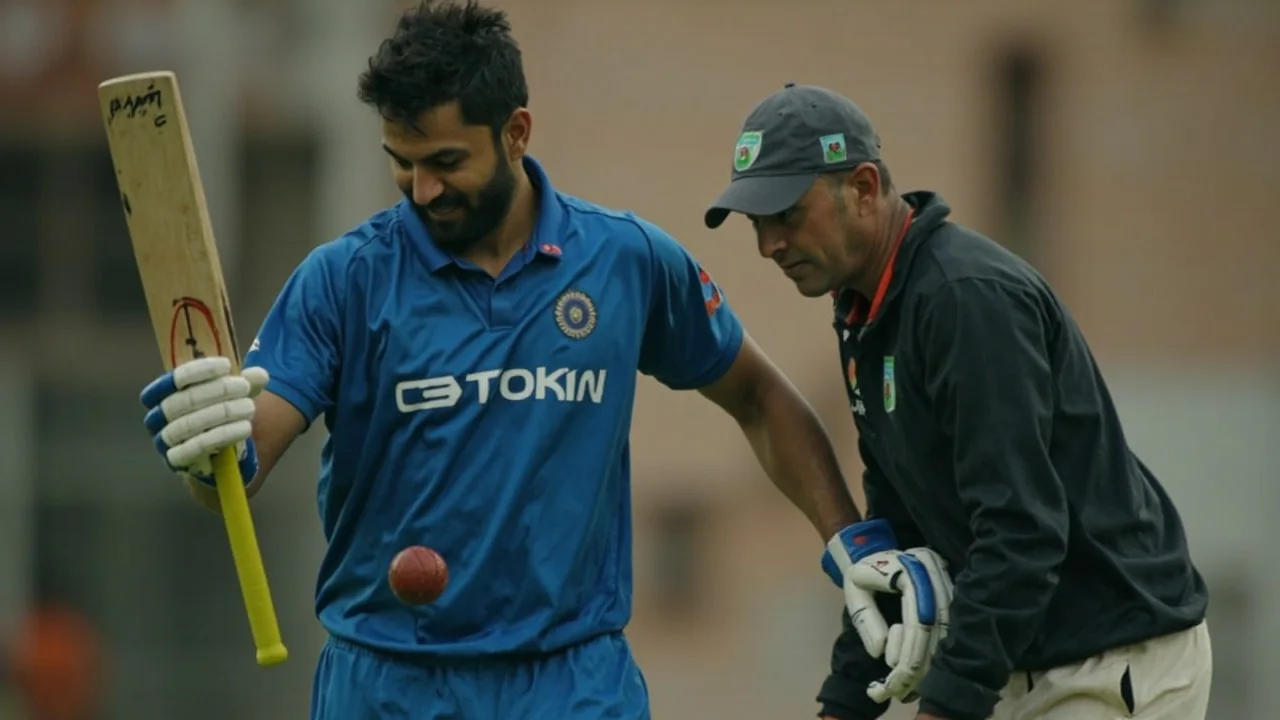
7. Spin-friendly Sri Lanka: what the surfaces have done to visiting batters
Reading the tour as a spin assignment is a call with precedent. The last two India Test tours of Sri Lanka played out on turning tracks from day one, with the side that batted second often forced to absorb reverse swing and a footwork test on the fifth morning. Visiting batters who fell early in the series tended to be the ones whose footwork was not yet in tune with the turn. The two batters who held their shape across both tours were the ones who came in with a long body of red-ball innings on subcontinental pitches, and that is the profile selectors are chasing this time.
The specific surfaces under discussion are Galle, Colombo (SSC) and Pallekele. Galle and the SSC have produced sharp turn on the first day in recent series, with the rough outside the right-hander's off-stump from as early as session two. Pallekele has historically been the friendlier of the three for bowlers who can hold a line, but the recent trend has been towards a similar turning template. The selectors' read of all three surfaces as spin-friendly is what frames the Sarfaraz-over-Raseed choice.
8. The selector maths behind the move
Three numbers were the spine of the meeting. Sudharsan's 132 in the first India A innings, the case for him that did not convert. Sarfaraz's 64.73 first-class average across 62 matches, the case the board had been sitting on for 18 months. Raseed's 45, 63 and 20, the recent comparison point on the same tour. The selector choice is a balance of those three figures, with the 62-match average carrying the most weight because the sample is the largest and the conditions are the closest match to what is expected.
There is a second, less visible, line of reasoning. India have traditionally carried a long batting line-up in subcontinental Tests, with the batting depth extending to No. 7 or No. 8. A batter who can hold an end while the spinners build pressure at the other is a higher-value asset in those conditions than a top-order accumulator who can be set up by a probing new-ball spell. Sarfaraz's Mumbai record showed both sides. The selectors' choice, in that frame, was an investment in batting depth for a tour that would be decided by the second new ball and the rough outside off stump on day four.
9. What to watch before the first Test in Galle
Three things will be worth tracking over the next fortnight. The first is the squad announcement in full, expected in the next 24 to 48 hours, which will name the rest of the touring party and confirm whether Raseed stays with India A for the next set of red-ball games or moves up as a standby. The second is Sarfaraz's training output. The selectors had been watching his footwork against left-arm spin in the nets in Mumbai, and the first two training sessions in Colombo will be the read for fantasy users building a Test squad of their own. The third is Sudharsan's next steps. The India A red-ball season continues in the domestic window, and his route back to the senior side is a 2026-27 Ranji season rather than a 2026 Sri Lanka tour.
For BlueChip readers following the squad into the series, the practical read is also the editorial one. India's batting order has the depth that selectors value, the spin-friendly surfaces will reward the footwork that selectors have been tracking, and the body of first-class evidence that drove the call on Sunday is the same body of evidence that should hold up across a three-Test series in those conditions. The selection story is consistent from squad through to tour.
10. Stay current with BlueChip India Test squad news
BlueChip's news desk tracks India's red-ball squad through every selection window, every tour departure and every India A fixture that feeds the next senior call. The full archive of squad moves, injury updates and tour briefings lives on the cricket news page, where new reads go up within an hour of the BCCI release that drives them. Subscribers who want the squad signal before the tour starts can read today's note alongside the rest of the latest from the desk.
India Test squad news: frequently asked questions
Why did BCCI recall Sarfaraz Khan for the Sri Lanka Test tour?
BCCI selectors recalled Sarfaraz Khan on 10 August 2026 as a replacement for Sai Sudharsan, who was ruled out on Sunday after failing to meet a fitness deadline. Selectors chose Sarfaraz over India A's Saikh Raseed because Sri Lanka's pitches were expected to favour spin from the first session.
What happened to Sai Sudharsan?
Sai Sudharsan was ruled out of the Sri Lanka Test tour on Sunday after failing to meet the BCCI fitness deadline. He had scored 132 in the opening India A red-ball game against Sri Lanka A but was unavailable for selection once his fitness clearance lapsed.
What is Sarfaraz Khan's first-class record?
Sarfaraz Khan carries a first-class average of 64.73 from 62 matches as a Mumbai batter, the body of work that has kept him in selector discussion since his 2024 Test debut.
When did Sarfaraz Khan make his India Test debut?
Sarfaraz made his India Test debut in 2024 during the home series against England, scoring three half-centuries in his first three innings before later hitting 150 against New Zealand the same year.
Why was Saikh Raseed not picked instead?
Saikh Raseed was the other selector option on the table after Sudharsan's fitness miss. He had scored 45, 63 and 20 across his three India A innings in Sri Lanka but was passed over in favour of Sarfaraz because selectors read the tour as a spin-pitch assignment.
Where is India's Sri Lanka Test series being played?
The India Test tour of Sri Lanka typically plays at Galle, Colombo (SSC) and Pallekele. Surfaces across those venues have historically turned from day one, which is the core reason selectors leaned into a recall built for spin.