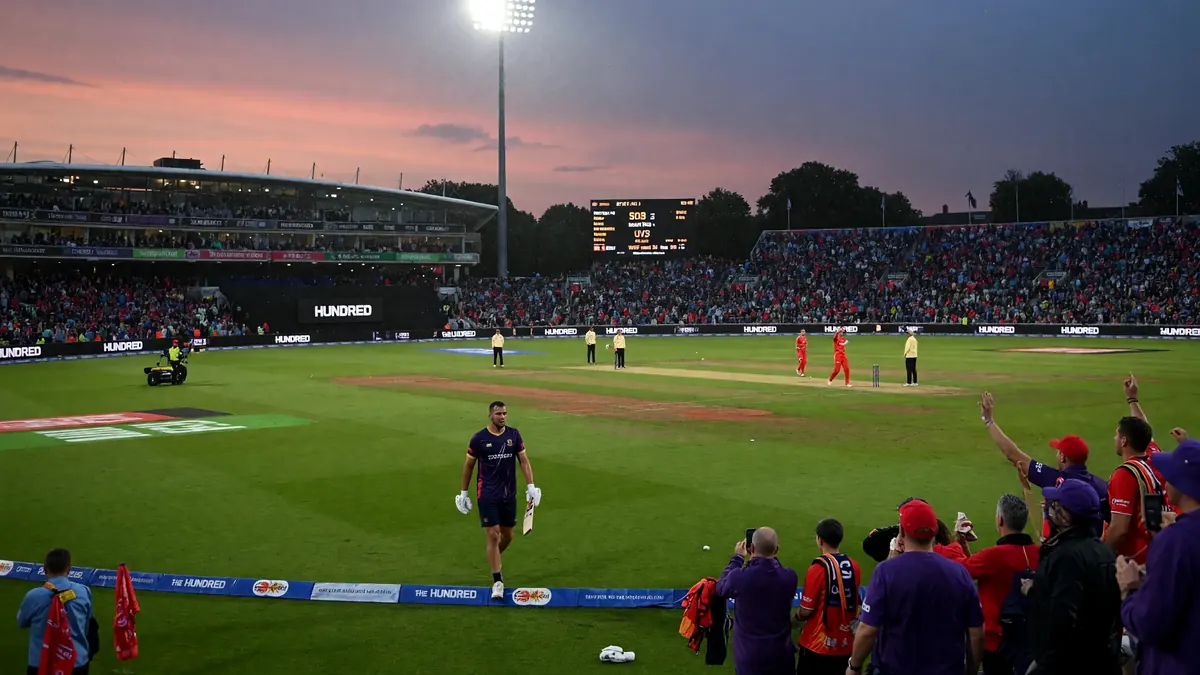
Southern Brave host Welsh Fire in Match 2 of The Hundred Men’s Competition 2026 at the Rose Bowl, Southampton, on 22 July 2026 at 11:00 PM IST. For BlueChip users building SOB vs WEF Dream11 sides, the first decision is not a star name — it is how the Rose Bowl’s bowl-first tilt, Chris Jordan’s home seam attack, and Phil Salt’s Fire top order trade off under a 100-ball clock.
· BlueChip Fantasy Desk · Fantasy Tips
Match 2 is the first home outing of the men’s Hundred window for Southern Brave and an early test for Welsh Fire’s new-look batting spine. Live streaming for the India audience is listed on JioHotstar. Contests on BlueChip will close around the toss, so the practical workflow is simple: build a primary stack now, keep two flex slots open, and only rewrite the card if the confirmed XI or the bowl-first/chase decision breaks your original plan.
The Hundred compresses decision-making. There are fewer overs of pure accumulation, more five-ball sets, and a higher share of points from boundary rate and bowling strike spells. That is why SOB vs WEF Dream11 construction should start from role security and venue bias, not from brand recognition alone.
Venue data attached to this fixture paints a clear pattern. First-innings totals at the Rose Bowl average around 141, while second-innings chases sit nearer 127. The bowl-first win rate is cited at roughly 60 percent. Pacers account for about 62 percent of the preferred bowling share. Southampton’s evening weather window is mild — about 17–18°C, humidity near 77 percent, and only a modest 25 percent rain chance — which usually keeps the new ball honest rather than turning the surface into a pure bat-first highway.
Those figures do not mean you must load six bowlers. They mean your captain and vice-captain should still have a path to points if the side that wins the toss inserts the opposition. Keepers who open, seamers who bowl at both ends of the innings, and all-rounders who bat in the top six become more valuable than pure finishers who only see the ball if a chase is already broken.
On a 141/127 split with pacers preferred, Jamie Smith (Brave keeper-batter), Phil Salt (Fire captain-keeper), Jofra Archer, Dan Worrall, Lockie Ferguson and Chris Woakes sit higher on the priority list than pure middle-order hitters who need a long chase to unlock ceiling.
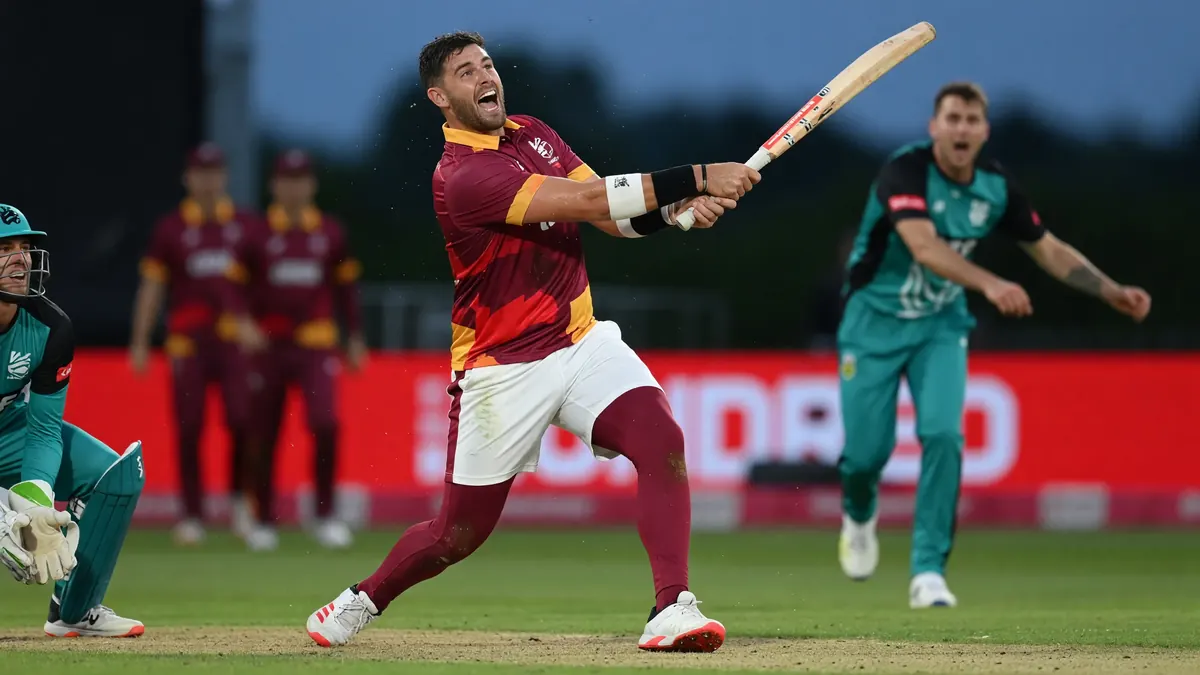
Chris Jordan leads Southern Brave. Phil Salt leads Welsh Fire and keeps wicket. That split already tilts the card. Jordan’s fantasy path is bowling-led with lower-order cameos; Salt’s path is top-order batting plus keeper points. In a short format, Salt’s role security is cleaner if he opens. Jordan becomes more attractive when the surface offers early seam and he bowls multiple five-ball sets with the new ball or at the death.
Southern Brave’s probable eleven is built around a deep batting middle and a multi-skill bowling group: Chris Jordan (c), Tom Abell, Thomas Rew, David Miller, Jamie Smith (wk), Marcus Stoinis, Tristan Stubbs, Nikhil Chaudhary, Jofra Archer, Adil Rashid and Dan Worrall. Welsh Fire’s listed side leans on international batting and strike seam: Phil Salt (c & wk), Joe Root, Jordan Cox, Rachin Ravindra, Tom Kohler-Cadmore, Matthew Short, Marco Jansen, Chris Woakes, Jordan Clark, Lockie Ferguson and Sam Cook.
Treat both lists as pre-toss templates. The only locked fantasy rule is that a player must start. If Thomas Rew or Matthew Short is squeezed out for an extra seamer after the toss, your salary map and your all-rounder count change immediately.
The cleanest small-league captain for SOB vs WEF Dream11 is Jamie Smith. He combines keeper points with a top-order batting role for Southern Brave, and he benefits if Brave bat first on a surface that still averages 141. Even in a chase, a keeper who faces the new ball can bank a floor before the required rate spikes. That floor is what protects head-to-head and small-league ranks when one big hitter fails.
Jordan Cox is the preferred vice-captain. Fire’s middle-top batting has enough international quality that Cox does not need a collapsed Powerplay to see balls, and his upside in a 100-ball innings is still high if he inherits the strike after Salt or Root. Pairing a Brave keeper-captain with a Fire batter-VC also hedges the toss: one of the two sides will bat in the higher-scoring innings window more often than not.
Small leagues: Jamie Smith (C), Jordan Cox (VC). Grand leagues: leave room for Jofra Archer as captain in one or two lineups if the toss hands Brave the ball under lights and Worrall is confirmed at the other end. Archer’s ceiling is spike-based; do not make him your only captain across every entry.
Secondary captain candidates, in order of role security rather than hype, are Phil Salt, Joe Root and Marcus Stoinis. Salt is the mirror image of Smith if you want Fire leverage. Root is the steadier Fire accumulation route when you expect a lower-scoring chase. Stoinis covers both batting and bowling columns for Brave, which is useful if you already spent heavy salary on Archer and still need a second multi-skill piece.
Recent head-to-head numbers favour Southern Brave heavily: seven wins to one for Fire across the last ten meetings in the cited sample, with no abandoned results in that set. Brave’s ground win rate at this venue is listed around 60 percent, and Fire are still without a win at the Rose Bowl in the notes attached to this preview. Match prediction lean in the source briefing is toward Southern Brave.
Use that as a weighting, not a blind stack. A 7–1 H2H record can still produce a Fire top-order explosion on a single night, especially with Salt, Root, Cox and Ravindra in the same XI. The practical fantasy translation is a 6–5 or 7–4 Brave lean in small leagues, not an 9–2 Brave blank that dies if Salt takes the Powerplay apart.
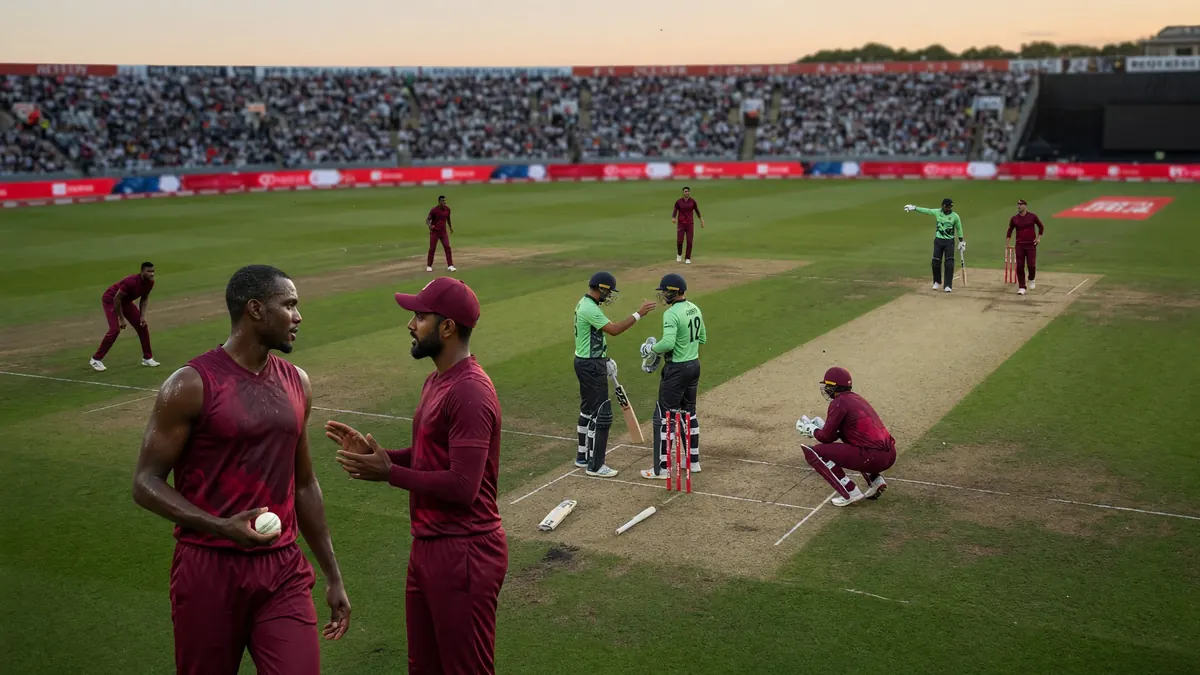
If pacers truly carry close to two-thirds of the bowling preference here, your seam shortlist is clear. For Brave: Jofra Archer, Dan Worrall and Chris Jordan. For Fire: Lockie Ferguson, Chris Woakes, Sam Cook, Marco Jansen and Jordan Clark. Adil Rashid remains the spin differential if the ball grips later or if Brave defend a total above 150, but he should not crowd out a confirmed new-ball seamer in your first draft.
All-round value is concentrated in Stoinis, Jansen, Ravindra, Clark and Jordan. In salary terms, pick two of those five rather than all of them. A balanced Hundred card usually needs one batting all-rounder and one bowling all-rounder so you are not forced into a pure specialist at the end of the budget.
Working from the probable sides and the Rose Bowl split, a disciplined small-league shape looks like this:
That eleven keeps Brave’s home core, protects Fire’s best batting routes through Cox and Root, and still banks four bowling avenues on a pacer-friendly ground. If the toss and pitch scream chase under lights with dew, swap one Brave middle-order bat for Phil Salt and move Cox or Salt into the captain conversation in a second entry. If Brave bowl first and Archer is confirmed for long spells, flip one lineup to Archer captain and Smith vice-captain for grand-league leverage.
Entry A: Smith C / Cox VC, Brave lean 7-4. Entry B: Salt or Archer C / Smith VC, Fire batting or Brave pace lean. The correlation break between those two cards is usually enough to survive one failed Powerplay without needing a third random team.
| Item | Detail |
|---|---|
| Match | The Hundred Men’s 2026 — Match 2, SOB vs WEF |
| Venue | Rose Bowl, Southampton |
| India start | 22 July 2026, 11:00 PM IST |
| Stream (listed) | JioHotstar |
| Weather snapshot | 17–18°C, ~25% rain chance, ~77% humidity |
| Venue scoring | ~141 first innings / ~127 second; bowl-first ~60% |
Fifteen minutes before the toss, freeze salary and role balance. At the toss, only touch three things: (1) confirmed XI swaps, especially Thomas Rew, Matthew Short, Nikhil Chaudhary or Sam Cook; (2) whether the side batting second is chasing under heavier dew; (3) whether Archer or Ferguson gains an extra set with the new ball. Anything beyond those three edits is usually over-fitting.
For a broader set of captain multipliers, bankroll rules and match-night process notes beyond this fixture, keep the fantasy tips and strategy desk open while you build — then come back to the SOB vs WEF specifics above before you submit.
Southern Brave enter Match 2 with the clearer venue history and a bowling group that matches the Rose Bowl’s pace lean. Welsh Fire still have enough top-order quality to punish any Brave side that misses early wickets. Build around Smith’s keeper floor, Cox’s Fire upside, and one intentional pace differential. Then wait for the toss before you spend your last two moves.
Match 2 is scheduled for 22 July 2026 at 11:00 PM IST at the Rose Bowl, Southampton. Live streaming is listed on JioHotstar.
Jamie Smith is the primary small-league captain. Jordan Cox is the preferred vice-captain. Jofra Archer is the main grand-league captain differential if Brave bowl first with early seam.
Cited venue averages sit near 141 in the first innings and 127 in the second, with a bowl-first win rate around 60 percent and pacers preferred on roughly 62 percent of bowling points.
Chris Jordan captains Southern Brave. Phil Salt captains Welsh Fire and is listed as wicketkeeper.
In the last-ten sample attached to this preview, Southern Brave lead Welsh Fire 7–1 with no no-results. Brave’s ground win rate is cited around 60 percent, and Fire are still without a win at the venue in those notes.
No. A 6–5 or 7–4 Brave lean is enough for small leagues. Fire’s Salt–Root–Cox–Ravindra cluster can still post the night’s high individual scores even if Brave are favoured on paper.
Lock a Smith-led primary team now, then use the toss window for one confirmed XI swap and one chase-or-defend edit.
